全球卫星互联网 (6G) Global Satellite Internet (6G)

构建全球无缝覆盖的太空互联网基础设施,引领未来通信技术革命 Building a globally seamless space internet infrastructure, leading the future communication technology revolution

了解更多 Learn More

项目概述 Project Overview

全球卫星互联网(6G)项目是联合国创新可持续发展项目,由世界无人机运输组织(联合国非政府组织)与世界卫星互联网有限公司联合提出。项目通过可重复使用运载火箭(RLV)技术,大幅降低太空运输成本,提高发射频率,为大规模开发利用太空资源和建设互联网卫星星座提供基础支撑。

The Global Satellite Internet (6G) project is a United Nations innovative sustainable development project proposed by World UAV Transportation (UN NGO) and World Satellite Internet Limited. Through Reusable Launch Vehicle (RLV) technology, the project significantly reduces space transportation costs and increases launch frequency, providing essential support for large-scale space resource development and satellite constellation construction.
Satellite Internet System

图1:全球卫星互联网系统架构示意图

Figure 1: Global Satellite Internet System Architecture Diagram

卫星系统架构 Satellite System Architecture

三层卫星轨道体系 Three-layer Satellite Orbit System
  • 低地球轨道(LEO):8826颗卫星
  • Low Earth Orbit (LEO): 8826 satellites
  • 中地球轨道(MEO):10颗卫星
  • Medium Earth Orbit (MEO): 10 satellites
  • 地球静止轨道(GEO):12颗卫星
  • Geostationary Earth Orbit (GEO): 12 satellites
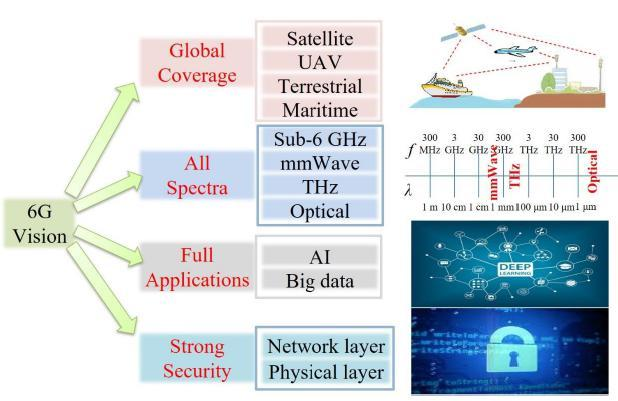
6G网络技术特性 6G Network Technical Features
  • 全频段覆盖:Sub-6GHz、毫米波、光通信、太赫兹
  • Full spectrum coverage: Sub-6GHz, mmWave, Optical, THz
  • 全AI深度智能应用
  • Full AI deep intelligent applications
  • 强大安全保障:物理层+网络层双重防护
  • Strong security: Physical layer + Network layer protection
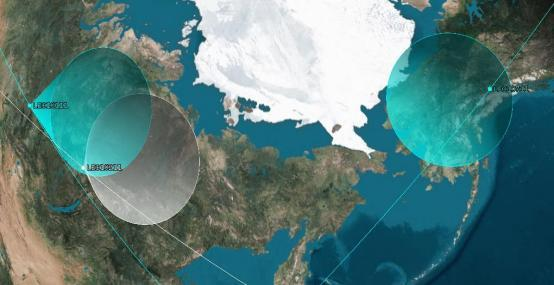
Satellite Coverage

图2:卫星互联网全球覆盖示意图(8836 LEO /10 MEO/12 GEO)

Figure 2: Satellite Internet Global Coverage Diagram (8836 LEO /10 MEO/12 GEO)

卫星星座部署 Satellite Constellation Deployment

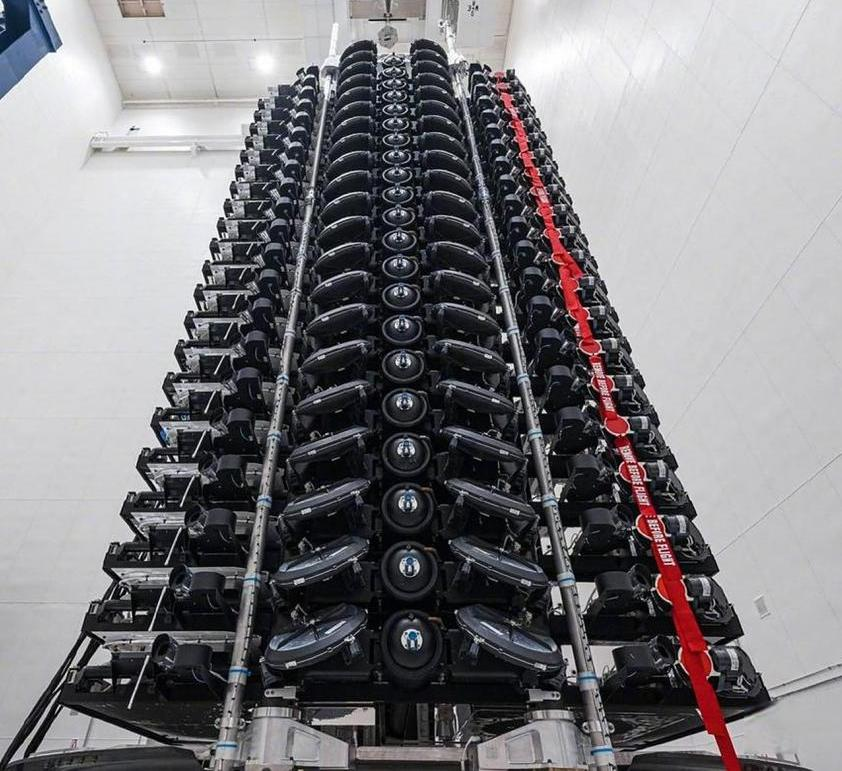
项目采用"麦芒式"有效载荷适配器,搭载飞行控制系统,可将多颗小卫星堆叠在卫星蜂巢内,由可重复使用运载火箭的二级飞行器送入轨道。在轨运行期间,根据程序指令或地面控制命令依次释放卫星,实现大规模卫星星座的快速部署。

The project adopts a "wheat-ear" style payload adapter equipped with a flight control system. Multiple small satellites are stacked in the satellite hive and carried into orbit by the second-stage vehicle of the reusable launch vehicle. During orbital operations, satellites are released sequentially according to programmed instructions or ground control commands, enabling rapid deployment of large-scale satellite constellations.

卫星部署优势:
  • 单次发射可部署多颗卫星
  • 大幅降低发射成本
  • 快速构建全球通信网络
  • 灵活调整卫星轨道位置
Satellite Deployment Advantages:
  • Multiple satellites deployed per launch
  • Significantly reduced launch costs
  • Rapid global communication network construction
  • Flexible orbital position adjustment
Satellite Hive

图3:小卫星蜂巢结构示意图

Figure 3: Small Satellite Hive Structure Diagram

Satellite In-orbit

图4:小卫星在轨运行示意图

Figure 4: Small Satellite In-orbit Operation Diagram

可重复使用运载火箭技术参数 RLV Technical Parameters

参数项 Parameter 技术指标 Specification
近地轨道有效载荷 LEO Payload Capacity ≥20 tons
可重复使用次数 Reusability Cycles ≥30 times
发射可靠性 Launch Reliability ≥0.98
回收可靠性 Recovery Reliability ≥0.95
总起飞重量 Total Lift-off Mass 1200 tons
轨道高度 Orbital Altitude 200 km LEO
6G Network

图5:6G网络全频段技术架构图

Figure 5: 6G Network Full Spectrum Technology Architecture

应用领域 Application Fields

全球通信覆盖 Global Communication Coverage

实现全球无死角互联网覆盖,偏远地区也能享受高速网络

Achieve seamless global internet coverage, remote areas can enjoy high-speed network

无人机物流 UAV Logistics

支持全球无人机运输网络,构建智能物流生态系统

Support global UAV transportation network, build intelligent logistics ecosystem

应急通信 Emergency Communication

自然灾害时提供可靠通信保障,支持救援工作

Provide reliable communication support during natural disasters, support rescue work